

CPR vs BLS: What’s the Difference?
When people begin researching lifesaving training courses, they often come across two common terms: CPR (Cardiopulmonary Resuscitation) and BLS (Basic Life Support). While these terms are related, they are not exactly the same.
Understanding the difference between CPR and BLS can help individuals choose the right training program for their needs—whether they are healthcare professionals, workplace responders, or community members who want to be prepared for emergencies.
What Is CPR?
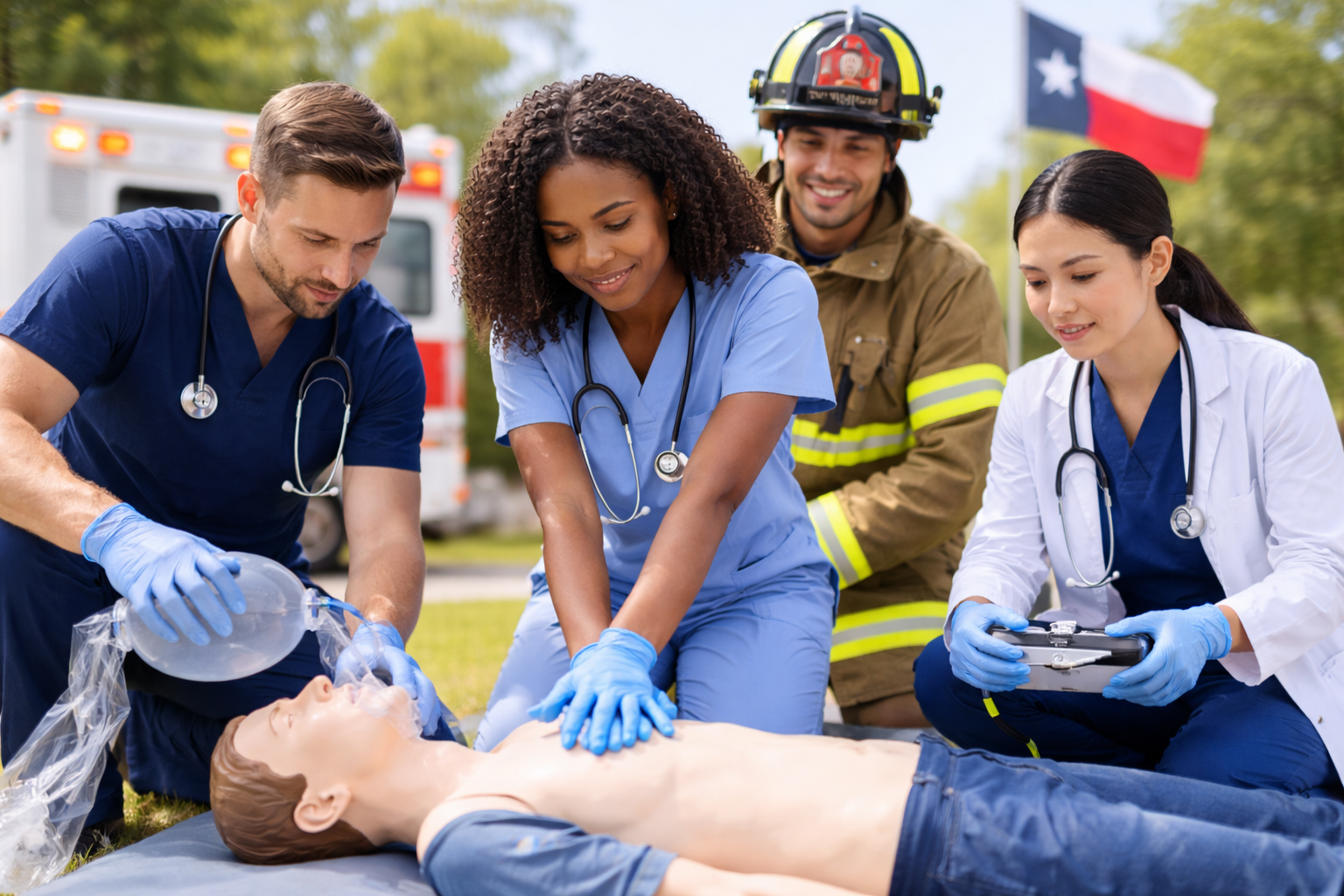
CPR (Cardiopulmonary Resuscitation) is a lifesaving technique used when someone’s heart has stopped beating or when they are not breathing normally. CPR combines chest compressions and rescue breathing to help maintain blood flow and oxygen circulation until professional medical help arrives.
CPR training typically teaches individuals how to:
- Recognize cardiac arrest
- Perform chest compressions
- Provide rescue breaths
- Use an Automated External Defibrillator (AED)
- Respond to choking emergencies
CPR training is often recommended for:
- Teachers and school staff
- Coaches and fitness trainers
- Childcare providers
- Workplace safety teams
- Parents and caregivers
- Community members
These courses are commonly referred to as CPR/AED or Heartsaver CPR training.
What Is BLS?
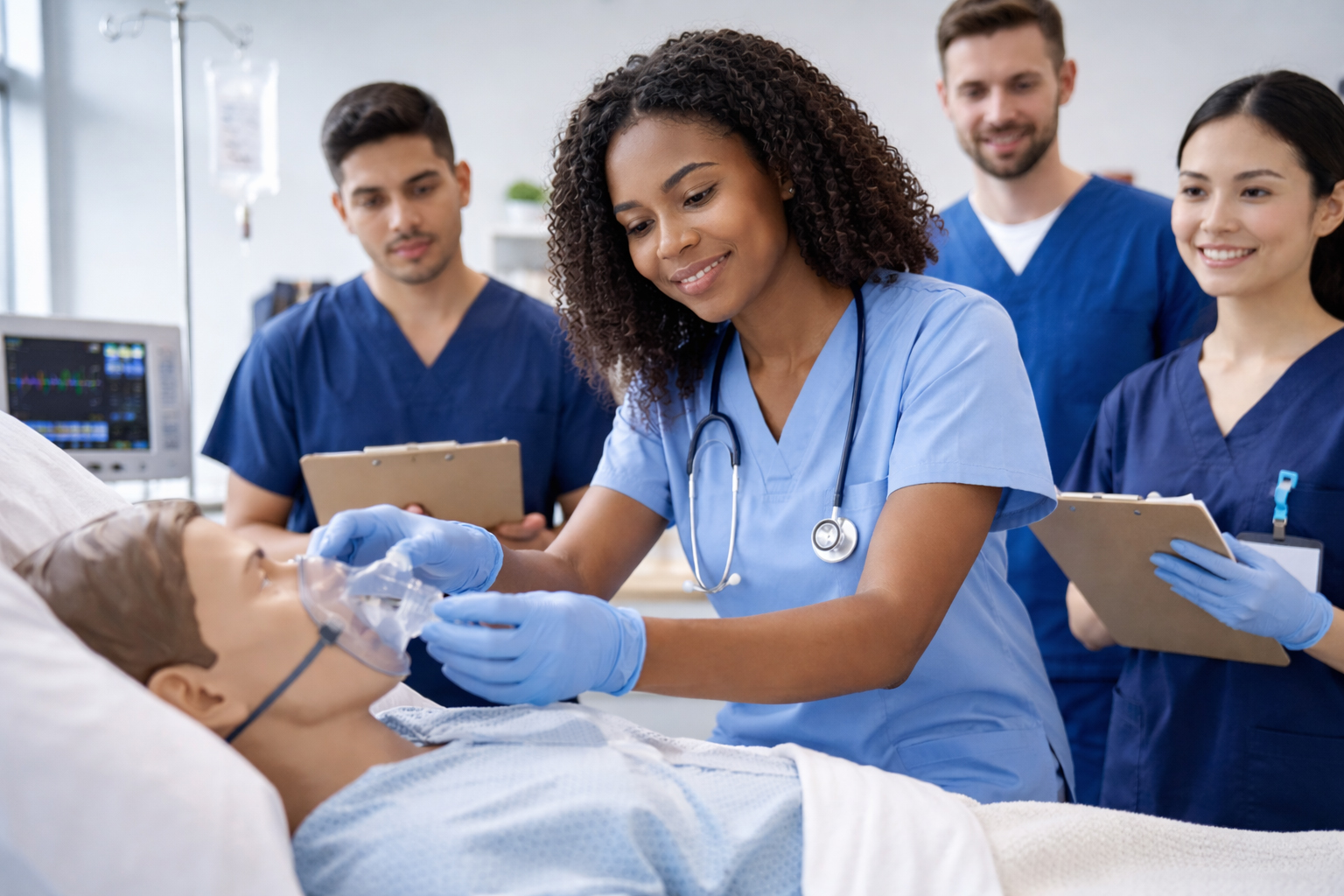
Basic Life Support (BLS) is a more advanced level of CPR training designed specifically for healthcare professionals and first responders.
BLS includes CPR techniques but also covers additional skills used in medical environments.
BLS training typically includes:
- High-quality CPR for adults, children, and infants
- Team-based resuscitation techniques
- Airway management and ventilation
- Rapid patient assessment
- AED use in professional healthcare settings
- Coordinated response among healthcare providers
Because of the additional skills involved, BLS courses are usually required for:
- Nurses
- Medical assistants
- Paramedics
- EMTs
- Nursing students
- Healthcare providers working in hospitals or clinics
Key Differences Between CPR and BLS
Although CPR is included in BLS training, there are several important differences.
| CPR Training | BLS Training |
|---|---|
| Designed for the general public | Designed for healthcare professionals |
| Focuses on basic emergency response | Includes advanced healthcare response techniques |
| Usually individual response training | Includes team-based medical response |
| Covers CPR, AED use, and choking | Covers CPR plus airway management and coordinated care |
| Often called Heartsaver CPR/AED | Often called BLS for Healthcare Providers |
Both courses teach lifesaving skills, but BLS provides a more advanced level of training for clinical environments.
Which Course Should You Take?
Choosing between CPR and BLS depends on your role and professional requirements.
You should consider CPR training if you are:
- A teacher or school staff member
- A coach or fitness instructor
- A caregiver or parent
- An employee required to complete workplace safety training
- A community member who wants to learn lifesaving skills
You should consider BLS training if you are:
- A healthcare professional
- A nursing or medical student
- A clinical employee in a healthcare facility
- Someone whose employer requires BLS certification
Many healthcare training programs require BLS certification before beginning clinical training.
Why Lifesaving Training Matters
Cardiac emergencies can occur anywhere—at home, at work, or in public places. Learning CPR or BLS allows individuals to respond quickly and provide life-saving assistance while waiting for emergency medical services.
Training programs such as those offered at Rosewood Career Institute in Houston, Texas provide hands-on instruction designed to help students feel confident performing lifesaving techniques in real situations.
Learning these skills can make a meaningful difference in the safety of communities, workplaces, and healthcare environments.
Start Your Life Support Training
Whether you need CPR training for workplace safety or BLS certification for a healthcare career, proper instruction and hands-on practice are essential.
Programs like those available at Rosewood Career Institute help students and professionals gain the confidence and skills needed to respond during emergencies.
By learning CPR or BLS, you are taking an important step toward helping others when it matters most.