
The Importance of CPR and Life Support Training in Texas Communities
Emergencies can happen anywhere—at home, at work, in schools, or in public spaces. When cardiac arrest or other life-threatening events occur, the actions taken in the first few minutes can make a critical difference.
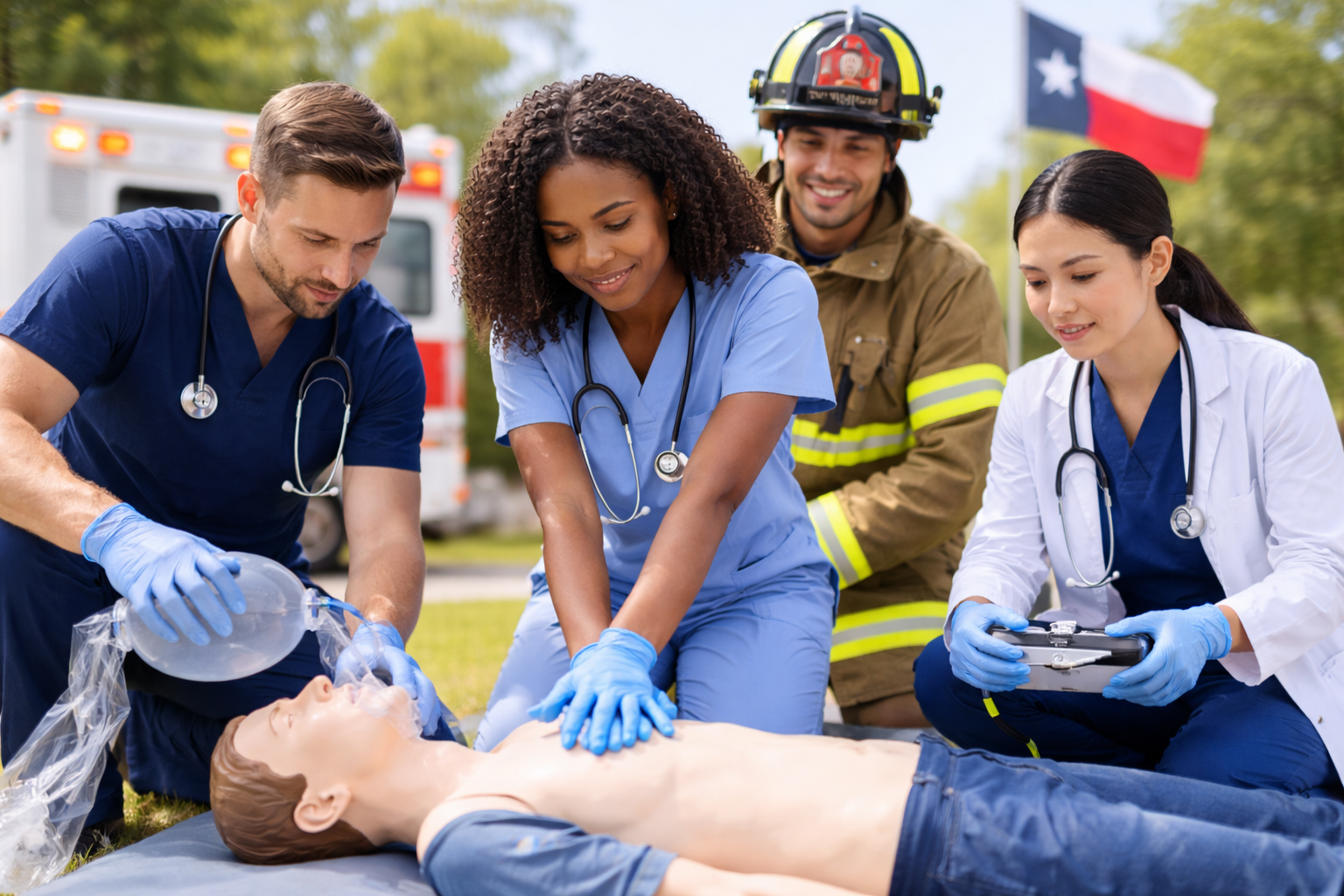
CPR and life support training teach individuals how to respond quickly and effectively during medical emergencies. These skills include performing cardiopulmonary resuscitation (CPR), using an Automated External Defibrillator (AED), and assisting individuals who are choking or experiencing cardiac distress.
In Texas, many healthcare professionals are required to maintain certifications in Basic Life Support (BLS), Advanced Cardiovascular Life Support (ACLS), Pediatric Advanced Life Support (PALS), and CPR/AED training. These certifications ensure that professionals are prepared to respond to emergencies in hospitals, clinics, and community settings.
However, CPR training is not limited to healthcare workers. Teachers, coaches, caregivers, workplace safety teams, and community members can also benefit from learning these lifesaving skills.
Training programs like those offered by Rosewood Career Institute in Houston help individuals build confidence in emergency response through hands-on practice and instructor-guided training. Learning how to respond during critical moments can help save lives and strengthen community safety.
By increasing awareness and access to CPR and life support training, communities across Texas can become better prepared to respond when emergencies occur.